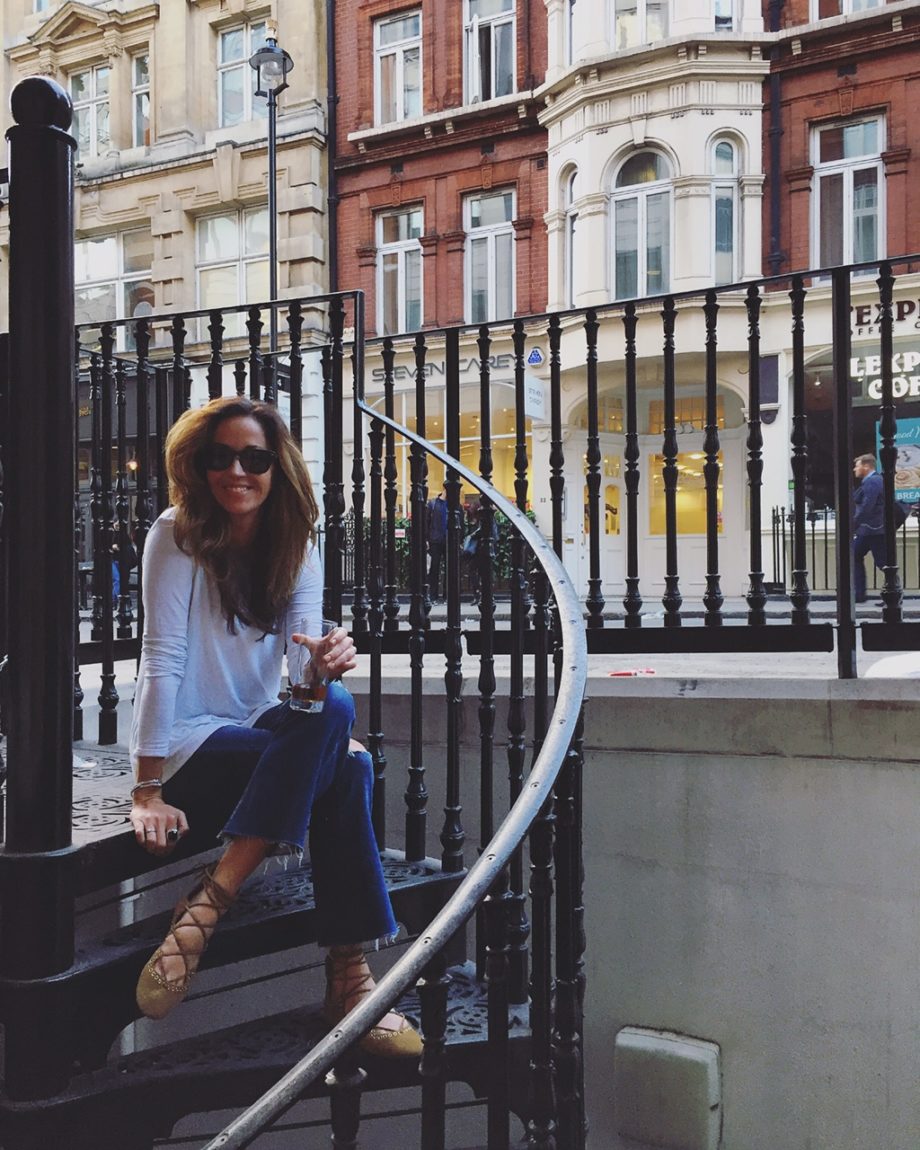
[Me outside our Airbnb in London.]
I’ve started and stopped this post so many times. But it wasn’t until a recent comment exchange with a friend on Facebook, then my reading her article published today on Medium, that I felt that old familiar bubble-about-to-burst that happens before I write a blog post. Only I still have something holding me back—the same things making me uncertain for months, usually: Who will this offend? Who will read between the lines and assume it’s directed at them? I guess I’ll push that one aside now with an answer: Me. It’s my fault. But it’s everyone’s fault that it’s my fault.
—
The other day, while uploading some private YouTube videos of myself wakeboarding to show my mom (a sentence I never thought I’d type in a million years), a video in the sidebar caught my eye: “OVER 35?!! STOP Doing Your Concealer Like a YouTuber!”
Why wouldn’t I click that? I’m over 35…and I don’t really know how to do under eye concealer. I make it up as I go along, pun intended.
I’ve had my concealer done by a 19 year old, and it was the worst I’ve ever looked—seriously. I looked ancient, haggard, and desperate, but I also knew it’s because she knew how to do her own makeup—dewy, plump, forgiving teenage skin makeup—not mature skin makeup. I watched the video (great), immediately purchased a few products she mentioned, then for the rest of the day, reconsidered everything I knew about makeup—which isn’t a lot.
And then I grew wildly overwhelmed. This is not new. I’ve had text exchanges with friends and godsisters about this phenomenon—one I sincerely blame Instagram for—as we marvel at where it all came from, how we managed to go so long not noticing it, and how it’s become such an accepted norm. Flawless skin and makeup, 100% photogenic, 100% of the time. Contouring. Brows. Things that make girls look like a completely different person than the image you find if you scroll far enough back. These are the images boys and men consume once they go down that Instagram rabbit hole, or the ones local bartenders portray with photo airbrushing apps. I recently found a shoebox of photos from my twenties and I have to say: It was not always like this. I have proof.
In those photos, I rarely have any makeup on. No one does. And we were party people, social, fun, wild. If they did have a lot of makeup on, they were the minority. Granted, as a result, I don’t look super great, and I still had a long way to go in losing facial baby fat, but it’s not just me. All my friends, everyone else in these photos, we look normal. We look like normal, happy, silly kids. Even as I dug further to the late twenties, when I was toiling away in an ad agency making real money and wearing pencil skirts, I looked normal (normal being “unpolished”). Normal hair, normal skin, just normal.
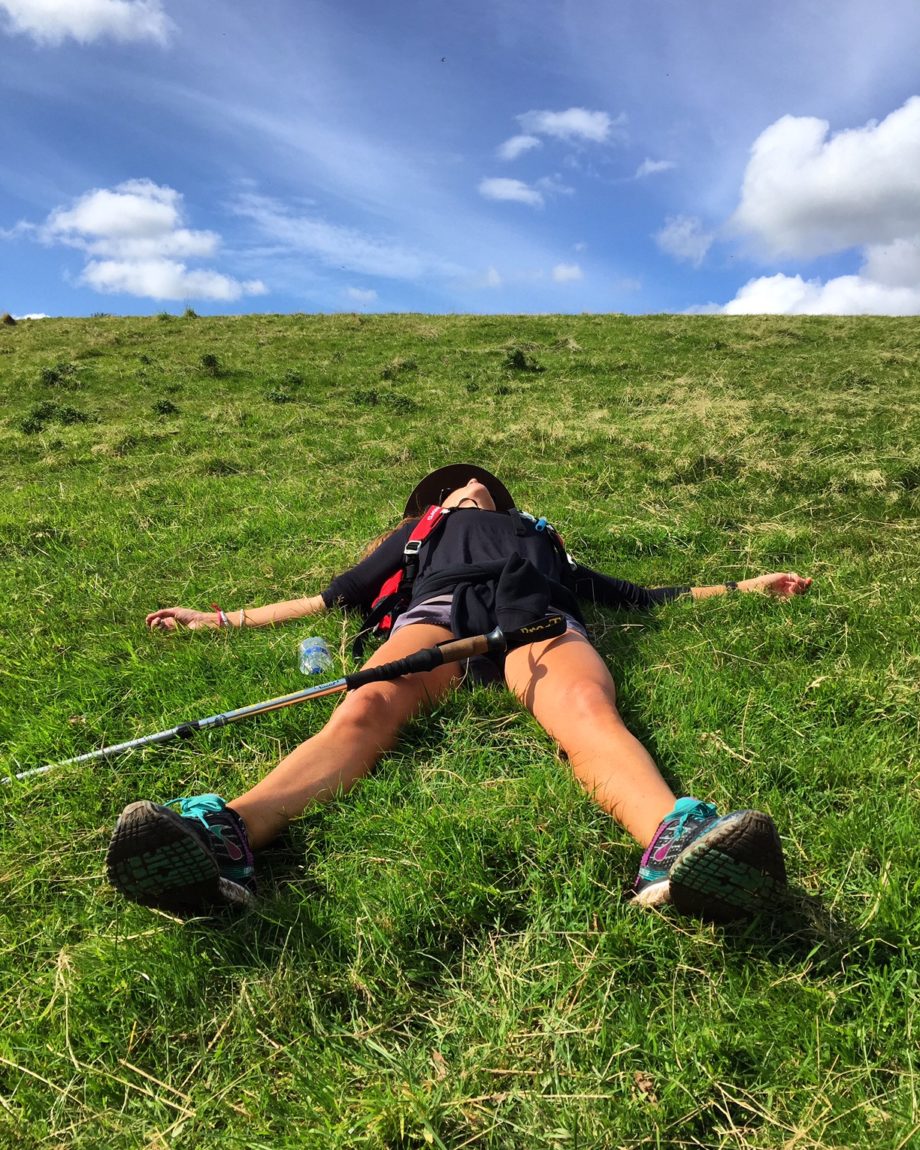
[At my happiest: hiking the Southwest Coastal Path in Cornwall, England.]
Somewhere along the line of online oversaturation of self, normal became not good enough. Perfect is the new normal. And I’ve started to subconsciously fight this battle (with girls half my age) at the same time as I’ve begun to fight a new battle: coming to terms with my actual age.
This is where it gets a bit complicated because I feel better than I ever have. I’ve said that before: I look better than ever. I wouldn’t take my twenties back if you paid me. I’m more confident, certain of myself, and happy in my skin—even the crepey skin under my eyes that shows up in bad lighting. The world tells me I should feel otherwise, however, and it’s a strange spot to be in. I want to finally parade down a street and smile at every man along the way, but something has happened, and I noticed it on my most recent trip to Europe: I’m fading out of view. Invisibility is setting in.
And I feel bad for them, more than I feel bad for me.
The above proclamation that I feel better than ever only recently carries a caveat, and it’s where I need to come clean. I feel like I have to lay this out here for my own sanity because somewhere in that muddy area between those two battlefields, I feel as if I’ve lost myself. Blame it on new social circles, new accounts to follow online (or to keep an eye on because someone else follows them), and the reality of my own image looking back at me. That “God, I’m happy with how I look right now” is still attainable, even on a Tuesday at 9 am, but the lead time to that quick nod of approval in the mirror has grown exponentially. It didn’t use to be that way. I’ve raised the bar for myself.
It can take hours. And it certainly takes hundreds of dollars. And it takes appointments. Dedication, care, maintenance, honest assessments, humbling questions to practitioners you know you’re too sane to be asking, and yet you hear the words come out of your mouth: Isn’t there anything you can do?
Guys. I’m 36, not 66. This has to stop.
[N.B. But it will never stop. And I’ll be the first to tell you I adamantly refuse to stop. Because I’m a fighter. I didn’t say I fight a meaningful fight, but I fight. And I’ll go down swinging.]
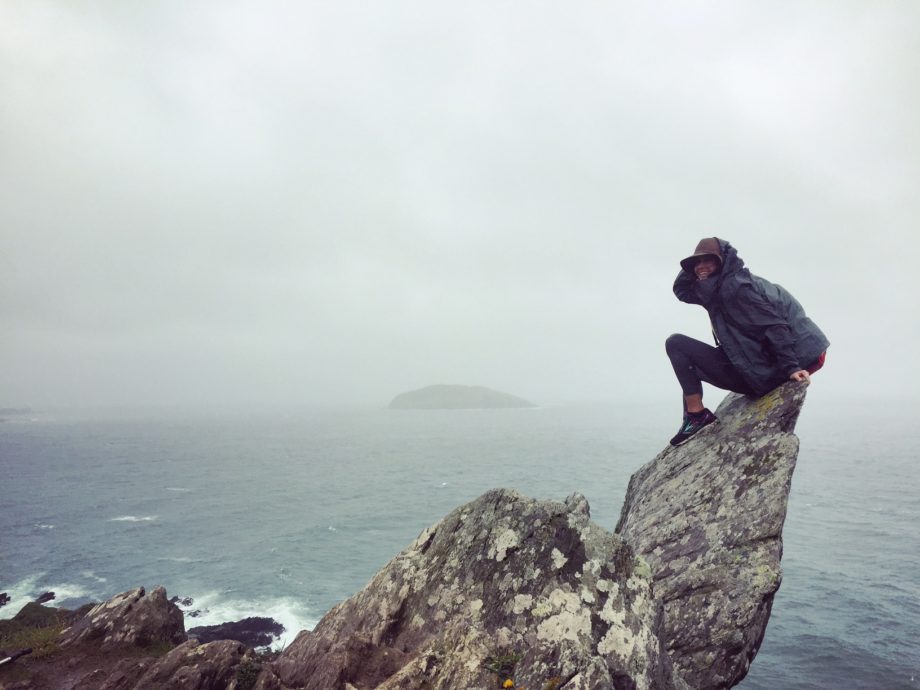
[Nearing Looe on the Southwest Coastal Path, Cornwall, UK, separating girls from women since I don’t even know when.]
This strange grit came from somewhere, and it’s relatively new. At 30, I was bliss. Same at 32. Same at 34. It all felt natural, acceptable, easy. I had a super solid ego. I felt untouchable. I didn’t want to be anyone other than me.
And then, I was left because I couldn’t be something someone wanted me to be. I was left for the one thing I couldn’t possibly change about myself.
I was left because I couldn’t be a man. I couldn’t be enough. And it confused me.
Fast forward to a few months and that little confident flame hadn’t been extinguished—it was raging happily. I felt like I’d been given a second chance. I felt alive, sexual, accomplished, womanly, proud, powerful. And a tiny voice whispered something vicious and tempting into my ear: It’s all about you, now.
All of a sudden, riding a wave of empowerment that comes from being desired again for the first time in years, successful in a career, and beholden to no one, I embarked on a journey to tackle all the things that had bothered me long enough, cost be damned. It started rather innocently: I had laser hair removal, and it was the best money I’d ever spent in my life. In a few months, I’d eradicated a source of self consciousness I’d dealt with since roughly age 13. I felt like a new person; it was intoxicating. For the first time in my life, I didn’t have to plan ahead to wear bathing suits, or tank tops. I didn’t have to plan ahead when I knew I had a date. It was magic.
If you’re wondering if this was a step onto a slippery slope, it was. I started monthly facial appointments for dermabrasion. Bi-weekly manicures. Regular hair appointments. I started buying every cream, serum, retinol, mask, microneedle, etc you could find. I had moles and bumps zapped and surgically removed that had bothered me for years. Regular dermatologist appointments. Peels. Forays into other preventative measures. Spray tans. A pretty hardcore workout regimen. Wildly painful collagen-boosting laser treatments. A tedious lash growth regimen. A year-long commitment to Invisalign to finally straighten my teeth.
And, finally (I can’t believe I’m about to share this), an incredibly painful breast lift to try and get rid of the mortifying stretch marks that had formed on my chest from decades of having a huge chest that unceremoniously vanished in my thirties. (I think being married to a gay man caused my body to subconsciously reject estrogen and turn me into a boy, but it was probably just hormones and weight loss.) These devastating marks had dictated the way I’d dressed for years because of the way they caught the light and threw deep shadows when I wore anything cut below the collar bone. It was as if someone had raked her fingernails down my chest. A breast cancer survivor can dwarf and echo my insecurities: when your breasts are taken away from you, so, in a way, is your power and your femininity. I wanted to feel like a woman again.
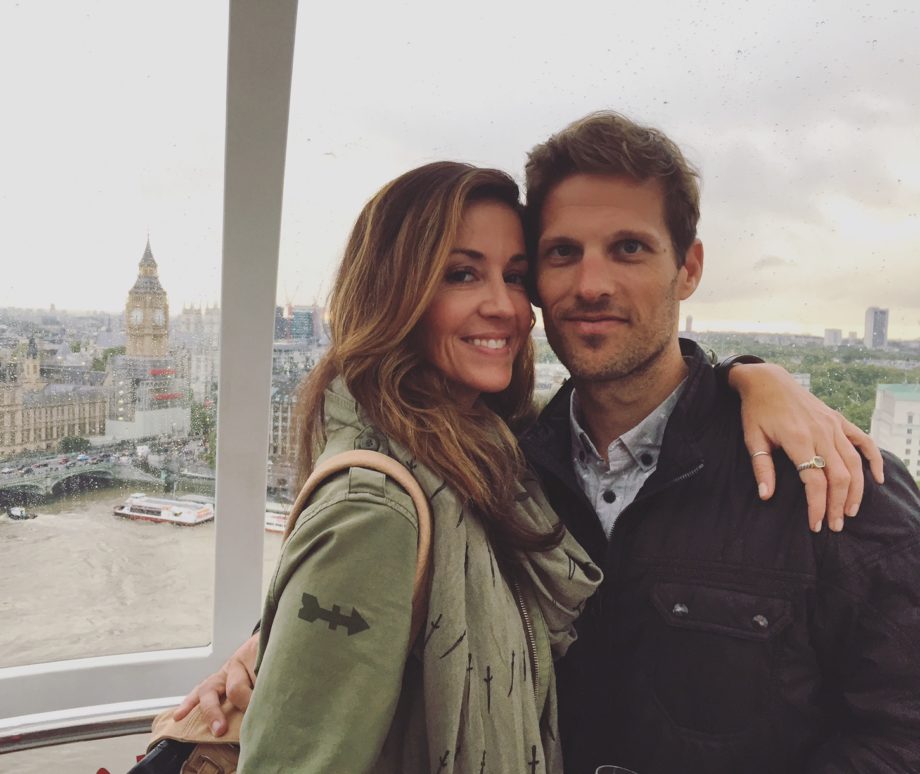
[Feeling showered and civilized after days on the trail in London.]
That was the biggest, and the scariest, and the worst. I spent numerous visits in that office crying over my limited options. Implants were for idiots, I’d mutter. But I can’t have scars, I’d remind them. I was going in circles and asking for a miracle. Eventually, I bit the bullet, and it was the best decision I ever made.
I’d never dated someone who I didn’t feel loved me for exactly the way I was the day I met them. Call it ego or a high opinion of myself, but I’ve never felt as if I wasn’t perfect in their eyes exactly the way I was—after all, it was my elixir. Likewise, I’ve never wanted to change anyone I’ve been with. I’ve outgrown people, but never left because of a trait or a flaw. It turned my world upside down, and like confused people do in times of turmoil, I found my purpose and assigned culpability to a perhaps not unlikely character: physical appearance.
For better or for worse, Rob cherished me as a female human. He celebrated all things about me and in that, we were like coconspirators—us vs. the world. I felt beautifully quirky all the time, special, devilishly smart and funny. No doubt those compliments were compensation for things that lacked, but they felt real and they bolstered me all the time. They were my armor when I went out into the world.
Only, that meant nothing when it turned out he wanted a man, not a woman. It stripped all my armor, so I’ve had to forge my own. You can say “You’re still all those things” but it doesn’t matter—they were eclipsed. I was left because I wasn’t enough anymore.
All of a sudden, I was the sum of the things I could change about myself, in the shadow of the one thing I couldn’t.
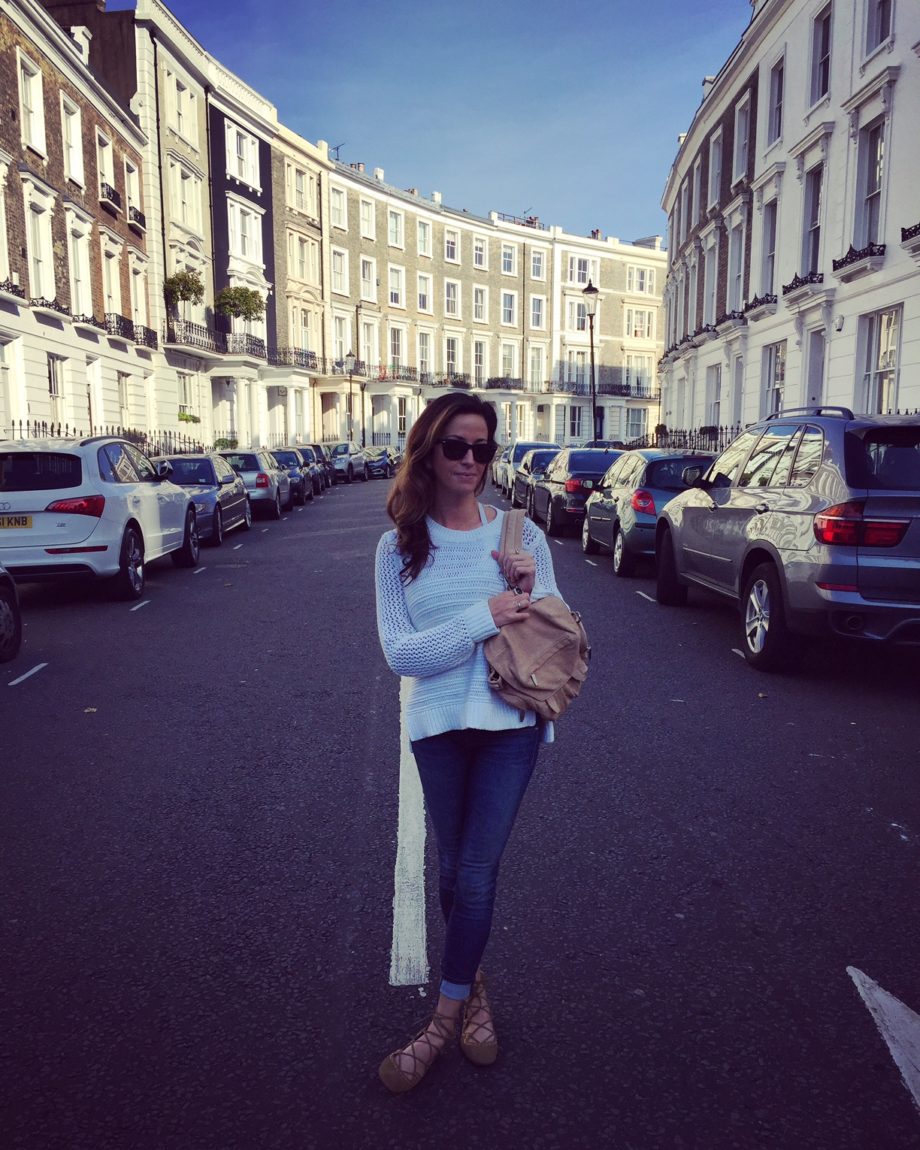
[Notting Hill strolls.]
This doesn’t mean I’m not still secure and confident, but it is a dangerous tack to take when the seas are roiling and you don’t have a reliable compass on board.
Unsure how to comprehend what had happened to me, I pointed the finger at physical flaws (I picture my boobs being like, “Yo yo yo, wait a second, what did we ever do to you?”) and sent all my troops to battle.
I’m not sure when it fully shifted, but I recall saying to my mom one day not too long ago: “All I’m doing is fixing every single thing about myself I have the power to fix and make better. Because then at least I’ll know, the next time I’m left, it wasn’t for something I could have changed. It’s like an insurance policy.”
Wait, what? Who…I mean… what? I was driven by this mad desire to improve myself in any way I possibly could to remove those loose threads—the ones someone can start to pull on when they’re tiring of you and pull and pull until you’re standing naked in a pile of yarn. It felt like a rabid but logical response to the unprocessed hurt of getting left by a gay man, and no one could tell me I was wrong. “Why not be the best version of yourself you possibly can?” I’d think to myself. Give the next person fewer reasons to leave. And if it was something you couldn’t fix about yourself, well, then, there’s comfort in that. But heaven help the fixable things.
Why not be the best version of yourself? Because when it’s completely based on the superficial—I’m not learning Italian or getting my masters, here—you will absolutely run the risk of losing track of who you really are.
Trust me. It’s happened.
I’m not saying we shouldn’t adjust and improve and there have certainly been times I’ve looked back three years and noted how different things are today—you can’t have a crisis of self because you apply a bit more makeup in the morning now than you did then, let’s be real—but it’s a precarious ledge to lean over when you’re placing all your value on those sorts of things. In short, if they’re occupying significantly more space on the priority list now, what happened to the old stuff? And why isn’t it as important now?
With every improvement, I’ve begun to lose sight of my value. Oddly enough, it’s had an opposite effect. I’ve started to feel more insecure, more critical, less confident, and more like I’m stealing energy from valuable endeavors and putting it toward playing catchup with twenty year olds—something I never had any interest in before. I like what I see in the mirror, but where’s my swagger? Swagger doesn’t crack—and it used to be my essence. I want my mojo back. Historically I’ve been more into other things about myself, like my friendships, my talents, my taste, my humor, my experiences, and my career. Those things still matter, but I feel sheepish about them. It’s like I’m a saleslady and I’m relentlessly pushing this exquisite little dolly onto the shopper who really just wants to buy books.
I think people used to come to me for the books. But now I’m selling dolls. And it’s my fault, because I’m not playing to the room anymore.
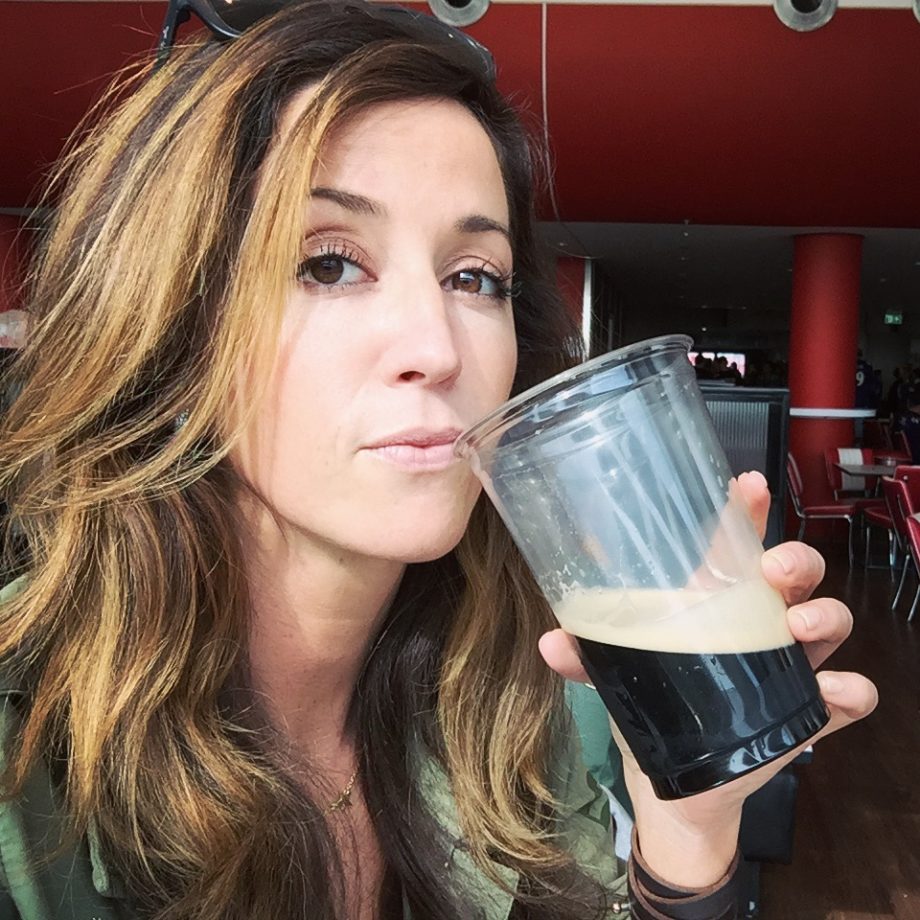
[A moment alone in Wembley Stadium for the Jaguars game.]
How do I reconcile that this weird post-mortem is happening at precisely the same time as any normal person would be facing issues of aging and identity? It’s like I want to separate the two, but I also want to kill two birds with one stone. There’s no benchmark anymore—there’s no finish line, either, and there’s no one on the sidelines giving me any sort of feedback—gone are the days of cat calls and whistles. It seems like we women are all shouting into the void “This is hard,” but then we don’t believe one another when we say “But you’re doing great.”
The sidewalks of London and Amsterdam were a rough and tumble place to realize these life events have collided for me. Tides of beautiful women with flawless skin and bone structure flowing down the sidewalk. My head was on a swivel. Each one looked more like a model than the last. Exquisite, effortless, at ease. And despite the great care taken before leaving the house each morning, I slowly noticed that I was invisible. I guess the stats don’t lie.
And maybe that is the key to the whole riddle, being pressed right into my palm.
-C.
Leave a Reply